
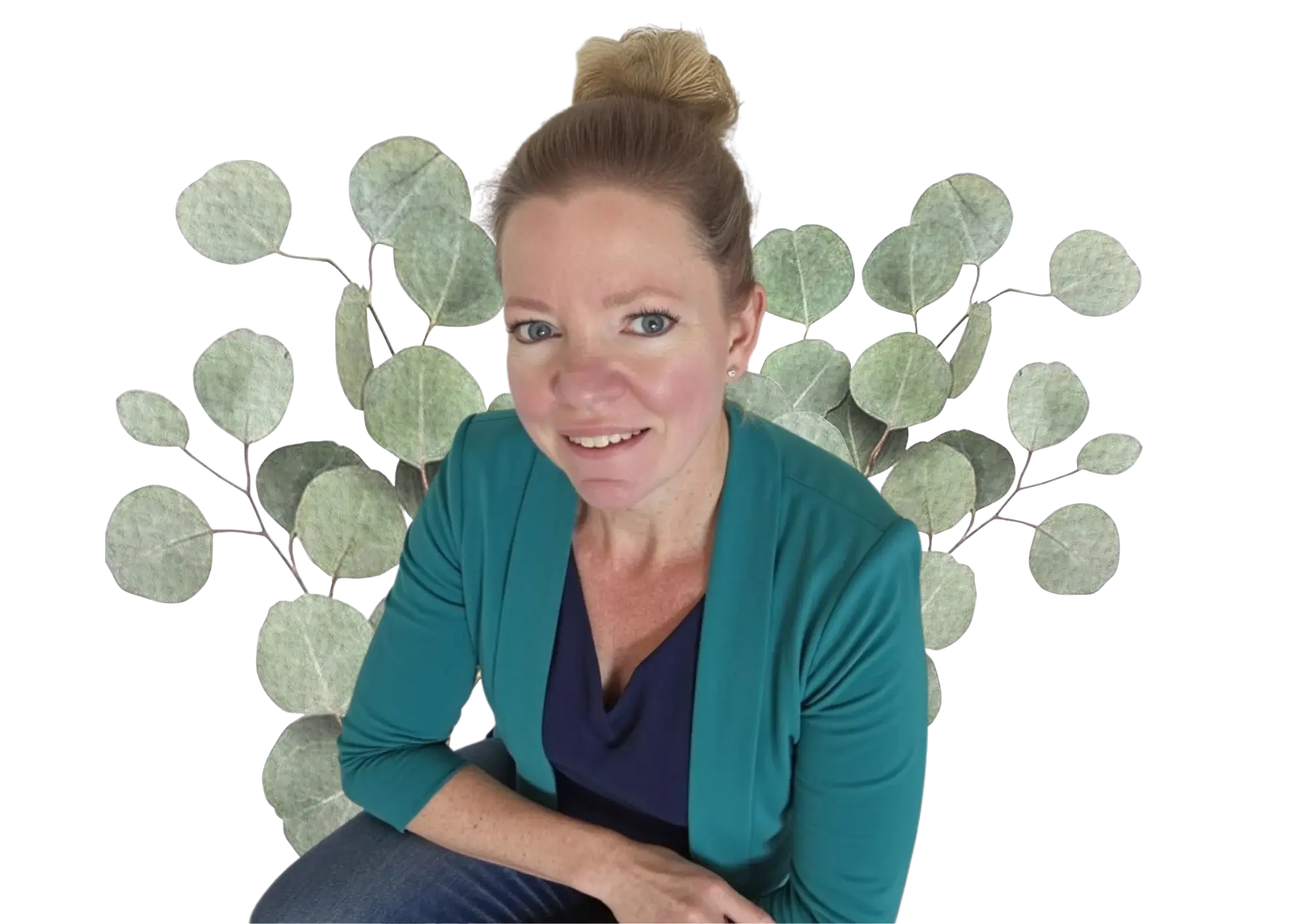
EMDR Therapy · Individual sessions · No waiting list

EMDR therapy for
moms who feel stuck

You’re keeping everything going. But deep down, something hasn’t been quite right for a while. You find yourself reacting more harshly than you’d like, or not reacting at all. You’re tired in a way that just won’t go away, not even after a weekend of doing nothing.

Moms&More offers EMDR therapy for mothers. Individual sessions, no set programme, no waiting list.

  • ♥ May be (partially) reimbursed
  • ♥ No long waiting list
  • ♥ Online and In Person
  • EMDR therapie voor voor moeders

    Nikolien Martina

    Accredited and registered psychosocial therapist · EMDR & trauma

    You’re doing well

    And yet something doesn't feel quite right.

    You carry on as normal. You look after your children, you work, you keep things running. But there’s a layer beneath the surface that you’d rather not touch. Old experiences you’d actually wanted to leave behind long ago. Reactions to your children that startle you. A tiredness that goes beyond simply not getting enough sleep.

    Many mothers who come to Moms&More have been trying to sort things out on their own for years. They know what’s going on. They understand it rationally. But the nervous system draws its own conclusions.

    That is exactly what EMDR targets.

    How it works

    What EMDR does, and why it works for moms

    EMDR stands for Eye Movement Desensitisation and Reprocessing. It is an evidence-based treatment method for trauma.

    EMDR does not work by talking about what happened. It works through the nervous system. During a session, you briefly activate a memory whilst following a distracting stimulus, such as a movement, taps or sounds via VR glasses or an online EMDR platform. This causes your brain to process the memory differently. The emotional charge diminishes. The memory does not disappear, but it no longer automatically triggers a reaction.

    For mothers, this means:

    • Fewer knee-jerk reactions to your children
    • More breathing space between what happens and how you react
    • Breaking the patterns you would otherwise pass on without realising

    How to get started

    The four-step process

    There’s no obligation after the intake.

    1. 1
      Book a free intake
      Twenty minutes, online or in person. You choose a time that suits you. No obligation, no pressure.
    2. 2
      Briefly explain what’s going on
      I’ll explain how I work and whether EMDR is suitable for your situation. Together, we’ll look at what the first step might be.
    3. 3
      If that’s the case, we’ll schedule the sessions
      A session lasts 50 minutes. We start by discussing what’s going on, and then we get started with EMDR.
    4. 4
      After each session, we decide together whether it makes sense to have another one
      There’s no set number of sessions. You come when you need a session. You stop when you’ve achieved what you wanted to achieve.

    During the session

    What an EMDR session involves

    A session lasts 50 minutes. We start with a brief discussion of what’s on your mind at the moment and which memory or issue we’ll be addressing. Then we get started with EMDR.

    EMDR works through bilateral stimulation: a distracting stimulus that alternately activates both hemispheres of the brain. This can be done using VR glasses or online via a digital EMDR platform, your computer with a webcam and a headset. Whilst following the stimulus, you briefly hold the memory in your mind.

    You don’t have to tell me everything. You don’t have to describe the memory in detail. EMDR works even if you just bring the feeling or the image to mind. After the session, we’ll briefly discuss what you noticed.

    You set the pace

    Individual sessions. No set programme.

    01

    No fixed route

    You come in whenever you need a session. There’s no minimum number of sessions, and no package you have to buy in advance.

    02

    No long waiting list

    You can book an intake straight away. After that meeting, we’ll discuss when to start.

    03

    Stop when it feels right

    You stop when you’ve achieved enough. You come back when something new comes up later.

    May be (partially) covered by your Dutch supplementary health insurance

    Accredited and registered therapist · No long waiting list

    Five specialisms

    What can Moms&More help you with?

    01

    Trauma related to pregnancy and childbirth

    An emergency caesarean section that you haven’t come to terms with. A birth where you felt that nobody was listening to you. A miscarriage that was more significant than the outside world seemed to understand. EMDR helps you come to terms with these experiences, so that they no longer dictate how you view your child or approach a future pregnancy.

    Read more about EMDR for birth trauma

    02

    Unwanted childlessness and the loss of a child

    The loss of the ability to have children is a grieving process that is rarely taken seriously. IVF treatments, repeated disappointments, the feeling that your body is letting you down. The same applies to the loss of a child. EMDR helps you process the pain and shock of these experiences, so that they no longer control you.

    Read more about EMDR for childlessness and bereavement

    03

    Breaking free from childhood trauma and patterns

    You recognise yourself in the way you react to your children. The way you deal with stress, set boundaries – or fail to set them. Much of what you do now was learned in a family where certain things seemed normal, but weren’t. EMDR helps you process those early experiences, so that you can make more conscious choices about how you interact with your own children.

    Read more about EMDR for childhood trauma and attachment

    04

    Relational trauma

    A relationship or upbringing in which you were systematically belittled. A divorce that has left its mark in ways that go beyond the legal settlement. Patterns of control, rejection or insecurity that you still feel on a daily basis. EMDR works directly on the memories underlying these experiences.

    Read more about EMDR for relational trauma

    05

    Motherhood as a trigger

    Postnatal depression, maternal burnout, or raising a child with a disability or chronic illness. Motherhood itself can be a situation that brings old pain to the surface, or causes new pain that needs to be processed.

    Read more about EMDR for mothers and mental health issues
    GGZ Wachtlijst Nikolien

    Who you work with

    I'll get straight to the point

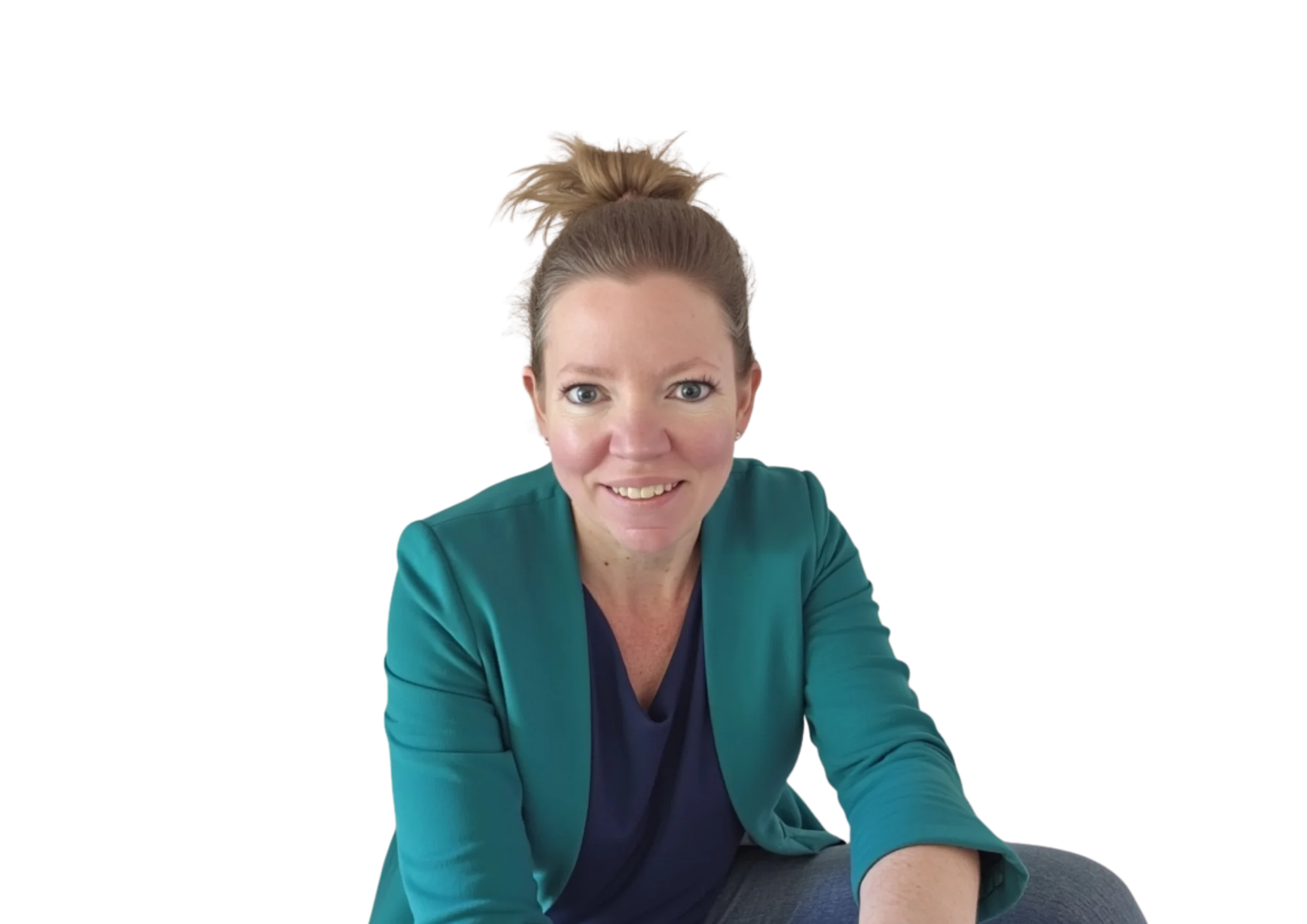
    My name is Nikolien Martina. I am a qualified and registered psychosocial therapist, specialising in trauma and EMDR.

    Moms&More is my practice specifically for mothers. Because I know that motherhood, with everything that comes with it, requires a tailored approach.

    I’m going to ask the question you’ve perhaps been avoiding for a while.

    Practice
    Online & In Person
    Registration
    Accredited psychosocial therapist

    Frequently Asked Questions

    FAQ's about EMDR for Moms

    A 50-minute session costs €97. A 20-minute intake is free of charge and without obligation.

    There isn’t a long waiting list. You can book an intake straight away. After that meeting, we’ll discuss when we can start. This is usually within a few weeks.

    That depends on the situation. In most cases, a single instance of trauma requires 3 to 8 sessions. For more complex or long-term trauma, it may take longer. During the intake, we will discuss your situation and draw up a plan together.

    Yes. Online EMDR is just as effective as an in-person session at the practice, provided you have a stable internet connection and a quiet environment. You will need a laptop or desktop computer with a camera, keyboard and headphones. 

    No. EMDR works even if you simply trigger the feeling or the image, without describing the details. You decide for yourself what you want to share.

    EMDR works differently from talk therapy. It doesn’t rely solely on insight, but works through the nervous system. Many people who previously saw no results with other methods find that EMDR does work for them. During the intake, we’ll assess whether this is a realistic option for you.

    Yes. You don’t need to know in advance which memories we’ll be working on. We’ll explore that together during the intake and the first few sessions.

    This may be possible. Psychosocial therapy and EMDR may be (partially) covered by your Dutch supplementary health insurance. This varies depending on your insurer and your policy. Please check with your insurer to see if treatment at Moms&More is covered by your Dutch supplementary insurance.

    Not a mom, but need EMDR?

    This is the place to go

    Moms&More works exclusively with mothers. If you’re not a mother, or if you’re looking for therapy unrelated to motherhood, you can also visit Nikolien Martina Therapy for EMDR and trauma therapy as an adult.

    Stop just trying to get by

    Ready to stop putting off something that’s been waiting far too long?

    We’ll discuss together whether EMDR is suitable for your situation and what you can expect. 

    Online or In Person

  • Free of charge & with no obligation
  • No waiting list
  • Response within 24 hours
  • What you share remains private. No strings attached.

    May be (partially) covered by your Dutch supplementary health insurance